
Do you struggle with managing your pet’s anxiety during grooming and boarding?
Learn effective techniques to help your furry friend feel more comfortable and relaxed in these situations pet hotel.
From understanding triggers to creating a calming environment, you can make a positive difference in your pet’s grooming and boarding experience.

Understanding Pet Anxiety Triggers
Identifying your pet’s anxiety triggers is crucial for effectively managing their stress during grooming and boarding. Common triggers can include loud noises, unfamiliar environments, being separated from you, or previous negative experiences.
Watch for signs like trembling, panting, pacing pet universe starlux, or avoidance behaviors to pinpoint what specifically is causing your pet distress. By recognizing these triggers, you can work with groomers or boarding facilities to create a more comfortable experience for your furry friend.
For example, if your pet is sensitive to loud noises, requesting a quieter area for grooming or providing familiar items like their favorite toy can help alleviate anxiety. Understanding and addressing these triggers proactively will go a long way in ensuring a more positive grooming and boarding experience for your beloved pet.
Creating a Calming Environment
To help your pet feel more relaxed during grooming and boarding, consider implementing strategies for creating a calming environment. Start by maintaining a quiet and peaceful atmosphere. Soft music or white noise machines can help drown out loud noises that may cause anxiety. Additionally, dimming the lights and using calming pheromone diffusers can aid in reducing stress levels.
Choose grooming and boarding facilities that prioritize a soothing ambiance, with separate areas for different activities to prevent overwhelming your pet. Providing familiar bedding or toys can also offer comfort and a sense of security. By consciously designing a tranquil space, you can help alleviate your pet’s anxiety and ensure a more pleasant grooming and boarding experience.
Positive Reinforcement Techniques
As you continue creating a calming environment for your pet during grooming and boarding, incorporating positive reinforcement techniques can further help alleviate their anxiety. Rewarding your pet with treats, praise, or their favorite toy when they display calm behavior can reinforce positive associations with grooming and boarding experiences.
Consistency is key; ensure that the rewards are given immediately after the desired behavior to strengthen the connection. By positively reinforcing your pet’s good behavior, you’re encouraging them to feel more at ease during these processes.
Remember to be patient and understanding, as each pet responds differently to various reinforcement methods. Building a positive reinforcement routine can’t only reduce your pet’s anxiety but also strengthen your bond with them.
Communication With Groomers/Boarding Staff
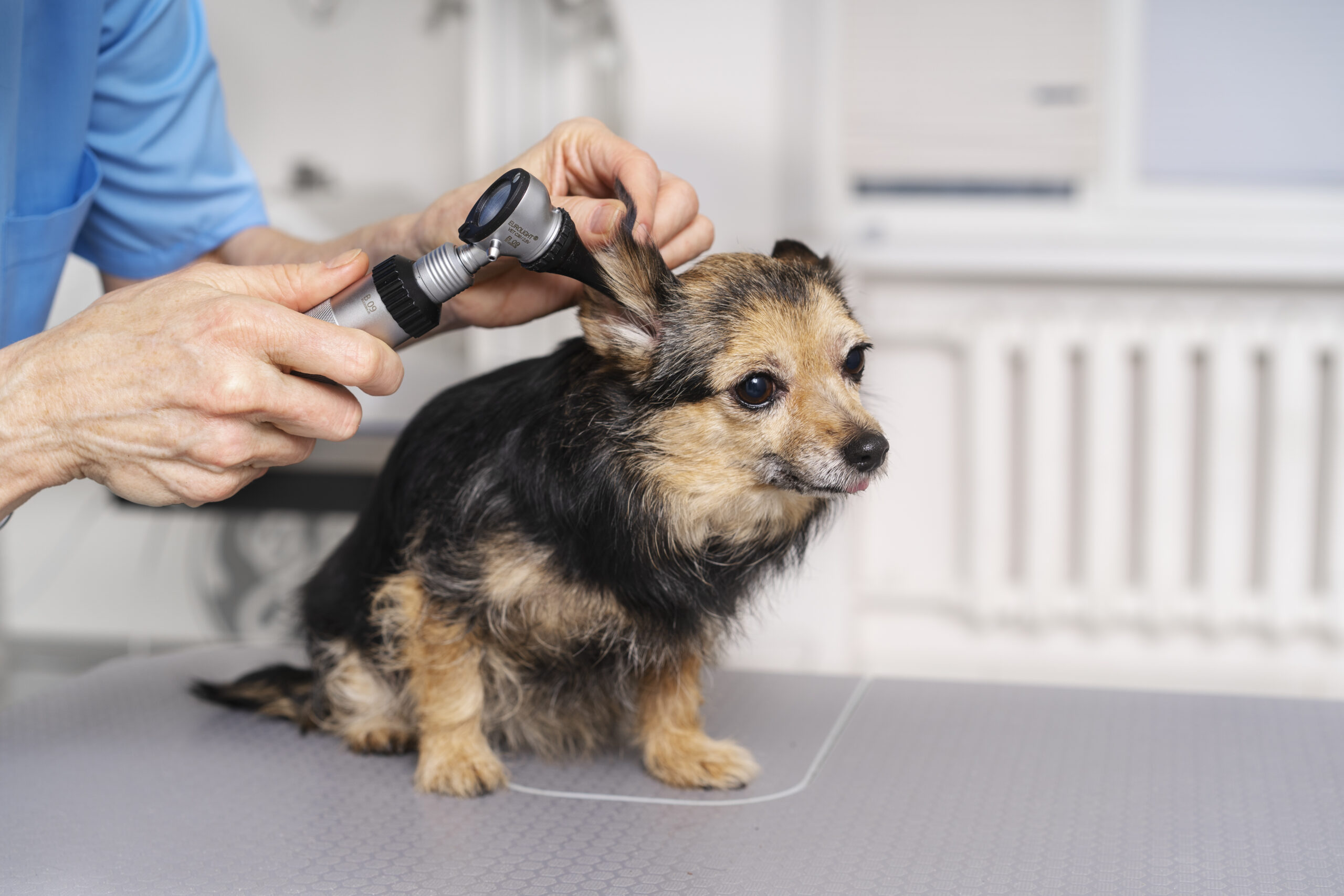
When communicating with groomers or boarding staff, ensure you convey your pet’s specific needs and preferences to facilitate a smoother and less stressful experience for them. Provide details about any anxiety triggers, favorite treats, or comforting techniques that work well for your pet. Clear communication is essential to ensure that the grooming or boarding process aligns with your pet’s individual requirements.
Additionally, don’t hesitate to ask questions about the procedures or share any concerns you may have. Building a good rapport with the staff can help them better understand and cater to your pet’s needs, ultimately leading to a more positive experience for both you and your furry friend.
Gradual Exposure and Desensitization Training
When acclimating your pet to grooming or boarding, gradual exposure and desensitization training can be key in helping them overcome anxiety and fear in a controlled manner.
Start by introducing your pet to the grooming or boarding environment in short and positive sessions. Allow them to explore the space at their own pace, rewarding calm behavior. Gradually increase the duration of these sessions, always ensuring your pet feels safe and comfortable.
During grooming, begin with gentle touches, slowly progressing to handling sensitive areas. For boarding, practice short stays at first, then extend the time as your pet becomes more relaxed.
Consistent, patient exposure will help your pet build confidence and reduce anxiety in grooming and boarding scenarios.
Conclusion
Managing your pet’s anxiety during grooming and boarding is crucial to their well-being. By understanding their triggers, creating a calm environment, using positive reinforcement techniques, communicating with staff, and gradually exposing them to these experiences, you can help alleviate their stress and ensure a positive grooming or boarding experience.
Remember, patience and consistency are key in helping your furry friend feel more comfortable and relaxed in these situations.
About The Author